
Three Years, One City, One Leader: Inside the Fellowship
A year-by-year look at the Strive Rugby fellowship: recruitment, a 16-week immersion, three years of full-time deployment, and a nonprofit built to outlast its founder.
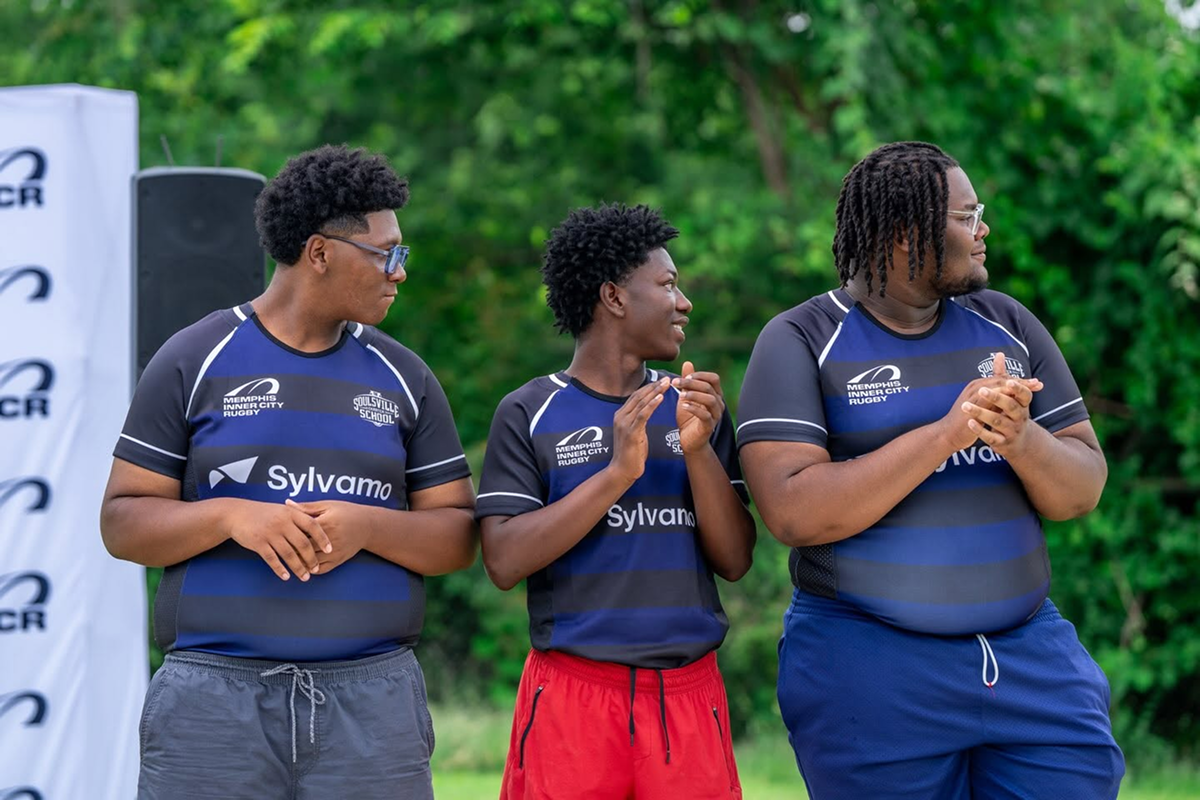
Most leadership programs end with a certificate. This one ends with a nonprofit.
The Strive Rugby fellowship is a three-year, full-time, salaried position with a single deliverable: a self-sustaining youth rugby organization in a city that did not have one, with its own board, budget, staff, school partnerships, and permanent leadership ready to take over.
Here is how the three years are structured.
Year 0: Identify and recruit
Fellows are not recruited from rugby alone. The application is open to high-potential leaders from any industry, because the job is building an organization, and the people who are good at that come from everywhere.
Selection runs through a rigorous process centered on the Impact Blueprint pitch, where candidates make the case for what they would build and why they are the person to build it. Recruitment opens in January, applications are reviewed through the spring, and the cohort is announced ahead of a July start.
Year 1: Train and design
The fellowship opens with a 16-week immersion, split in half.
Eight weeks are spent inside a Tier 1 training hub in Memphis, Dallas, or Los Angeles, working alongside the staff of a program that already does this well. Not observing. Working. The point is to see the machinery of a functioning youth rugby organization from the inside: how the budget is actually built, how a school partnership is actually negotiated, how retention is actually maintained.
The other eight weeks are a residency in the launch city. Learning the ground, meeting the schools, finding the fields, understanding who already serves these young people and where rugby fits.
The rest of Year 1 is spent creating the nonprofit. Quarter by quarter: defining mission and purpose, then policies, procedures, systems, and compliance, then fundraising plans and revenue streams, then finance and operations. By the end of the year a fellow has filed for and established a 501(c)(3), formed an initial board of directors, written the handbooks and policies, built the data collection systems, and begun outreach to potential school partners.
Year 2: Build and launch
Year 2 is when programming goes live.
The curriculum shifts to school and community partnerships, governance and boards, donor cultivation and stewardship, and staffing. On the ground, the fellow introduces rugby in gym classes, pilots programs, runs community fundraising events, and secures local rugby community buy-in.
End-of-year deliverables are concrete. Rugby introduced in gym classes. Pilot programs run. Volunteer and paid coaching staff hired. Formal school partnerships in place. Marketing materials and a pitch deck built. Fifteen percent of the Year 4 budget already raised.
Throughout, the fellow is not alone. Host site visits and exchange visits continue at a rate of eight per year across the Tier 1 network, so the fellow stays connected to working programs rather than drifting into isolation the moment training ends.
Year 3: Institutionalize
The final year is about making the organization survivable without the person who started it.
Curriculum focus moves to public awareness and advocacy, strategic partnerships, marketing and communications, and program evaluation. The fellow finalizes a three-year strategic plan, establishes full programs for the following year, raises 50% of the Year 4 budget, and authors and executes an approved succession plan.
That last item is the one that separates this model from everything else. The fellowship is explicitly designed so that the founder hands off. Programs that outlast their founders are the entire point, and the succession plan is a graduation requirement, not an afterthought.
What the fellow gets
Salary, not stipend. Capital, not goodwill.
A Strive fellow is paid a professional wage for three years, with a $500,000 three-year investment behind each market covering compensation, training, and launch capital. They receive a structured curriculum, a defined quarterly progression, ongoing access to the country's best programs, and a national network of peers and mentors doing the same work in other cities.
What they do not receive is a script. Every city is different, and the fellow is the one who decides what gets built. The fellowship supplies the training, the runway, and the community. The fellow supplies the judgment.
The 2027 pilot
The inaugural cohort targets 3 to 6 fellows across three pilot cities, beginning in 2027, backed by a $3 million Phase One raise. Each market is projected to reach roughly 150 registered athletes in core high school and middle school programming for boys and girls, plus thousands more through flag rugby, with 10,000+ new participants across the three cities.
Three years. One city. One leader. Built to last.
Recruitment opens in January.
Choose how you help build sustainable youth rugby: give, partner, lead or join.
Donor
Fund the pilot. About $500K per market secures a three-year fellow investment, managed and deployed by the US Rugby Foundation.
Partner
Schools, facilities, community allies, and corporate or philanthropic partners who help build a program on the ground.
BACKED BY THE US RUGBY FOUNDATION
Strive Rugby is a Foundation program — financed and run on its systems, not a startup asking for trust it hasn't earned. Every local gift flows through a 501(c)(3) public charity operating since 1963, is restricted entirely to this market, and is tax-deductible to the fullest extent of the law. US Rugby Foundation holds, manages, and deploys the capital including structuring local match and co-investment. Learn more about the US Rugby Foundation at usrugbyfoundation.org.